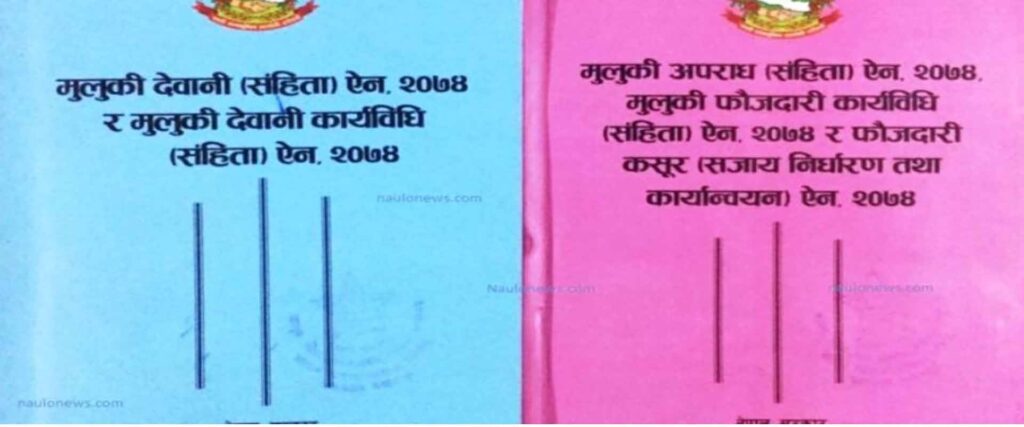
Civil litigation. in Nepal. involves a formal legal process for resolving non-criminal disputes between individuals, organizations, or entities. These cases typically revolve around disagreements over rights, obligations, and liabilities in matters such as contracts, property ownership, family disputes, and financial issues. Nepal’s civil litigation system is structured under the National Civil Code, 2017 (मुलुकी देवानी संहिता,२०७४) and National Civil Procedure Code of 2017 (मुलुकी देवानी कार्यविधि संहिता,२०७४) and is managed by a multi-tiered court system designed to uphold justice and maintain social order.
Here’s a breakdown of how civil litigation works in Nepal:
1. Legal Framework and Court Structure
- Nepal’s National Civil Code Act, 2074 (2017) is a comprehensive legal framework enacted to modernize and consolidate civil laws. This law, implemented in 2018, addresses a broad range of civil matters, including personal rights, family law, property rights, inheritance, contractual obligations, and private international law. The Code’s core principles aim to ensure equal protection under the law and prohibit discrimination based on factors such as religion, caste, gender, or economic status. It includes specific provisions on family law, such as marriage, divorce, and guardianship, along with detailed guidelines on inheritance and property ownership. This law also outlines contractual rights and liabilities, with rules governing the creation, validity, and enforcement of contracts, as well as remedies for breach of contract. Additionally, it includes sections on environmental protections, with regulations for water usage and forest management. This legislative overhaul replaced older laws with updated provisions to align with Nepal’s contemporary social and legal needs, reflecting constitutional values of equality and justice
- National Civil Procedure Code, 2074 (2017 AD): This code governs the process and procedures for civil cases in Nepal, including filing, hearing, appeals, and execution of judgments.
- Court Hierarchy: Civil litigation starts at the District Court level, which has original jurisdiction over civil matters. Appeals can then move to the High Courts, and finally to the Supreme Court of Nepal, which serves as the highest judicial authority.
2. Types of Civil Disputes
Civil litigation cases in Nepal cover a variety of disputes, including:
- Property disputes: Inheritance issues, land ownership, and partition of family property.
- Contract disputes: Issues regarding breach of contract, enforcement, and specific performance.
- Family matters: Marriage, Divorce, custody, and other family-related legal matters.
- Tort claims: Cases involving personal injury, defamation, or other civil wrongs.
- Debt recovery: Legal claims over unpaid loans or financial obligations.
3. Stages of Civil Litigation
Civil litigation in Nepal generally proceeds in the following stages:
- Filing of Complaint: The plaintiff files a formal complaint in the District Court, specifying the nature of the dispute and desired relief.
- Preliminary Hearing and Responses: The court reviews the complaint and serves it to the defendant, who must then file a written response or counterclaim.
- Mediation/Negotiation: Before collection of Evidence, the court may sent the case for negotiation or dialogue if they can settle the case themself.
- Evidence Collection: Both parties submit evidence, witness lists, and other documentation to substantiate their claims.
- Main Hearing and Arguments: The court hears both sides, examining evidence and legal arguments.
- Judgment and Relief: The court issues a decision based on the merits of the case. Possible judgments include monetary compensation, enforcement of rights, or other equitable relief.
- Appeal: Either party may appeal the decision to a higher court, following the procedural rules for appeals.
4. Alternative Dispute Resolution (ADR)
To reduce court congestion, Nepal encourages Alternative Dispute Resolution (ADR) mechanisms:
- Mediation: A neutral third party assists both parties in reaching a voluntary settlement.
- Arbitration: An arbitrator hears evidence and issues a binding decision, often used in commercial disputes.
- Negotiation: Direct discussions between parties to resolve issues outside of court.
5. Challenges in Civil Litigation
- Lengthy Proceedings: Civil cases can be prolonged due to procedural requirements and backlog in the court system.
- Legal Costs: Fees associated with litigation, including attorney fees and court costs, can be a barrier for some individuals.
- Limited Legal Aid: Access to legal representation can be limited, especially for marginalized populations, though some non-profit organizations offer support.
6. Recent Developments and Reforms
- Technology and E-Filing: Nepal has been gradually adopting digital systems, allowing for e-filing and virtual hearings in some cases.
- Judicial Reforms: There have been calls for faster case resolution, improved access to legal services, and enhanced transparency in the judicial process.
Conclusion
Civil litigation in Nepal is essential for upholding civil rights and resolving personal and commercial disputes through a structured judicial system. While effective in many cases, the process faces challenges like delays and high costs, prompting interest in ADR methods. The government and judiciary have been working on reforms to address these issues and improve access to justice.
